Dover Castle, England: A Visitor’s Guide to One of Britain’s Most Famous Castles
If you’re visiting England from the United States, Canada, Australia or elsewhere in the world, there are certain places you may already have heard of before you even arrive. Stonehenge. Buckingham Palace. The Tower of London. Windsor Castle... and the glorious Dover Castle.
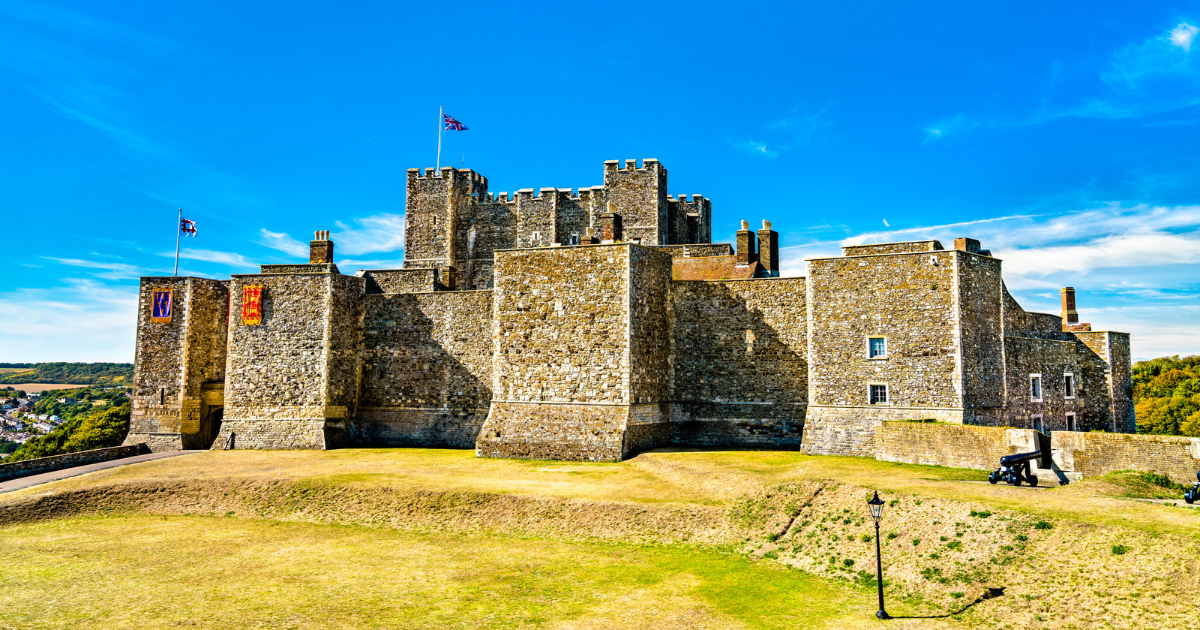
Standing high above the English Channel, Dover Castle has protected the Southeast corner of England for centuries. Its position overlooking the famous White Cliffs and the shortest crossing between England and France made Dover one of the most strategically important places in the country.
Today, it’s one of Kent’s most fascinating places to visit, particularly if you want to experience a little more of England’s history beyond London.
Where is Dover Castle?
Dover Castle is located in the coastal town of Dover, Kent, in the south-east of England. It sits high on the famous White Cliffs, overlooking the English Channel and towards France.
In fact, Dover is only around 21 miles (34 kilometres) from the French coast at its closest point.
For visitors arriving in the UK from overseas, this makes Dover particularly interesting. You're standing at one of the historic gateways between Britain and continental Europe. That strategic location explains a lot about why Dover Castle was built where it is.
Why is Dover Castle famous?
Dover Castle is often described as the “Key to England” because of its hugely important defensive position.
The site has been associated with defence for thousands of years, but the castle we recognise today was largely developed following the Norman Conquest of England in 1066.
William the Conqueror understood the importance of Dover and quickly established a defensive presence here.
The enormous medieval castle that followed was developed particularly under King Henry II during the 12th century, but Dover Castle's story doesn't stop in medieval England.
It has played a role in conflicts and military planning throughout the centuries, right up to the Second World War.
That means a visit isn't simply about seeing an old castle.
It's a journey through almost 1,000 years of English history.
The Great Tower
One of the first things you'll notice when visiting Dover Castle is its enormous Great Tower. Built during the reign of Henry II, the tower dominates the castle and the surrounding landscape. It was designed to demonstrate royal power as well as provide a formidable defensive stronghold.
Inside, visitors can explore reconstructed medieval rooms and discover what life may have been like within the castle during the reign of Henry II. It's particularly impressive when you consider what it would have taken to construct such a huge stone building almost 900 years ago, and standing at the top, you can appreciate exactly why this location was so important.
On a clear day, you can look across the English Channel towards France.
Dover Castle and the Second World War
One of the most fascinating things about Dover Castle is that its military story didn't end with the Middle Ages.
During the Second World War, Dover once again became an important military headquarters. Deep beneath the castle are the Secret Wartime Tunnels, which were used during the war.
The tunnels became the headquarters for military operations in the south-east of England and played an important role in the evacuation of British and Allied troops from Dunkirk in 1940. For many visitors, this is one of the most memorable parts of Dover Castle.
It's easy to look at the castle from the outside and imagine medieval knights, kings and sieges, but beneath your feet is another chapter of history - one that is much more recent.
The Dunkirk connection
If you're visiting England from overseas, you may already be familiar with the story of Dunkirk.
In 1940, hundreds of thousands of British and Allied troops were evacuated from Dunkirk in northern France as German forces advanced. Dover was at the centre of the operation.
The town's position directly opposite France made it an important base for coordinating the evacuation, and the tunnels beneath Dover Castle became part of the military command network.
Today, visitors can explore parts of these tunnels and learn more about the people who worked underground during this extraordinary period of British history. It’s a powerful reminder that the English Channel isn't simply a stretch of water separating Britain and France.
For centuries, it has been a route for invasion, trade, travel and military operations.
Don't miss the views
Of course, you don't have to be a history enthusiast to enjoy Dover Castle, the views alone make a visit worthwhile. From the castle and surrounding cliffs, you can look across the English Channel and see the coastline stretching away beneath you.
If the weather is clear, you may even be able to see France.
This is also where you really understand why Dover has been such an important location throughout English history. The castle wasn't built here by accident. It was built because whoever controlled this point controlled one of the most important gateways into England.
How long do you need at Dover Castle?
There is plenty to see at Dover Castle, so it's worth allowing several hours for your visit. You can explore the Great Tower, medieval castle buildings, defensive walls and the wartime tunnels, as well as taking time to enjoy the spectacular views.
If you're visiting Dover as part of a wider day trip around Kent, a guided tour can also help you make the most of your time.
Rather than simply walking around the castle and reading information boards, a local guide can explain how the different parts of the castle fit together and bring the people and stories behind them to life.
Can you visit Dover Castle from London?
Yes.
Dover is a popular day-trip destination from London, and the journey makes it possible to combine several of Kent's most famous sights in one day.
For international visitors, Dover can be particularly appealing because you can combine the castle with the White Cliffs of Dover, Canterbury or other parts of the Kent coast.
If you're arriving in the UK via London and want to experience some of England beyond the capital, Kent is surprisingly close.
What else can you see near Dover Castle?
One of the biggest advantages of visiting Dover Castle is its location. You're surrounded by some of Kent's most recognisable attractions.
The White Cliffs of Dover
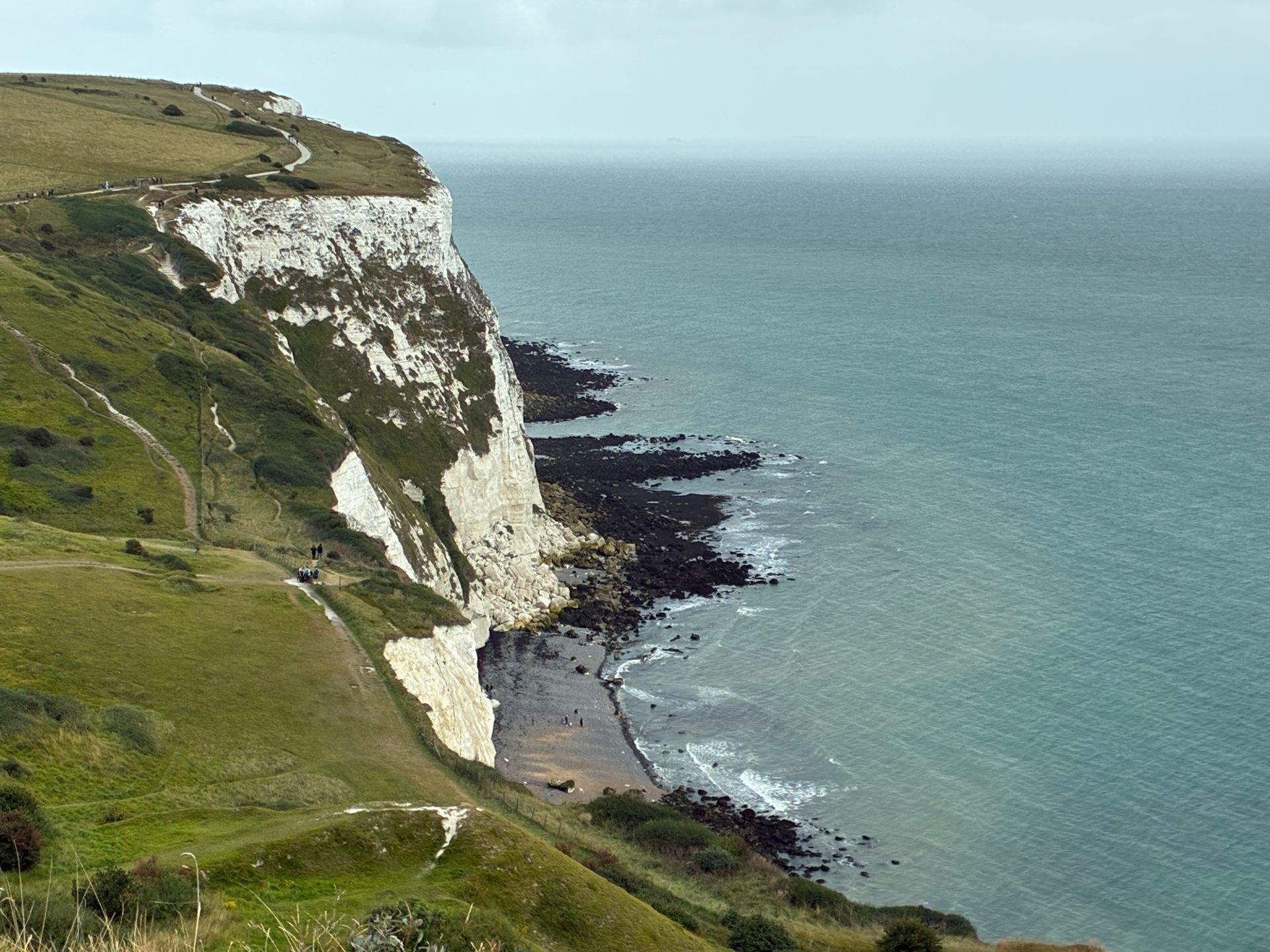
No visit to Dover would be complete without seeing the famous White Cliffs of Dover.
For many international visitors, these cliffs are one of the images they most strongly associate with Britain. They've become a symbol of homecoming, Britain and the English coastline, and seeing them in person is very different from seeing them in photographs.
Canterbury
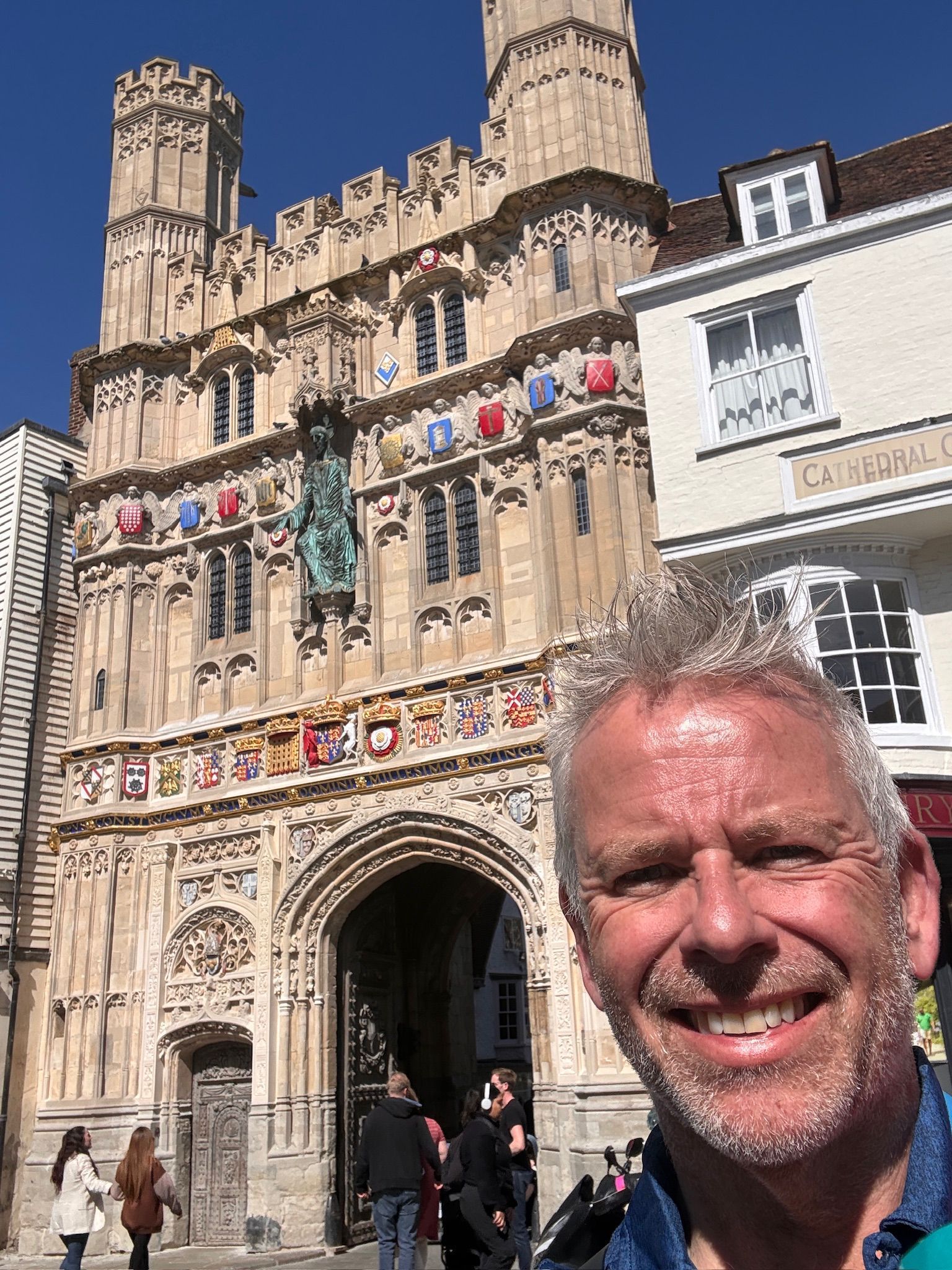
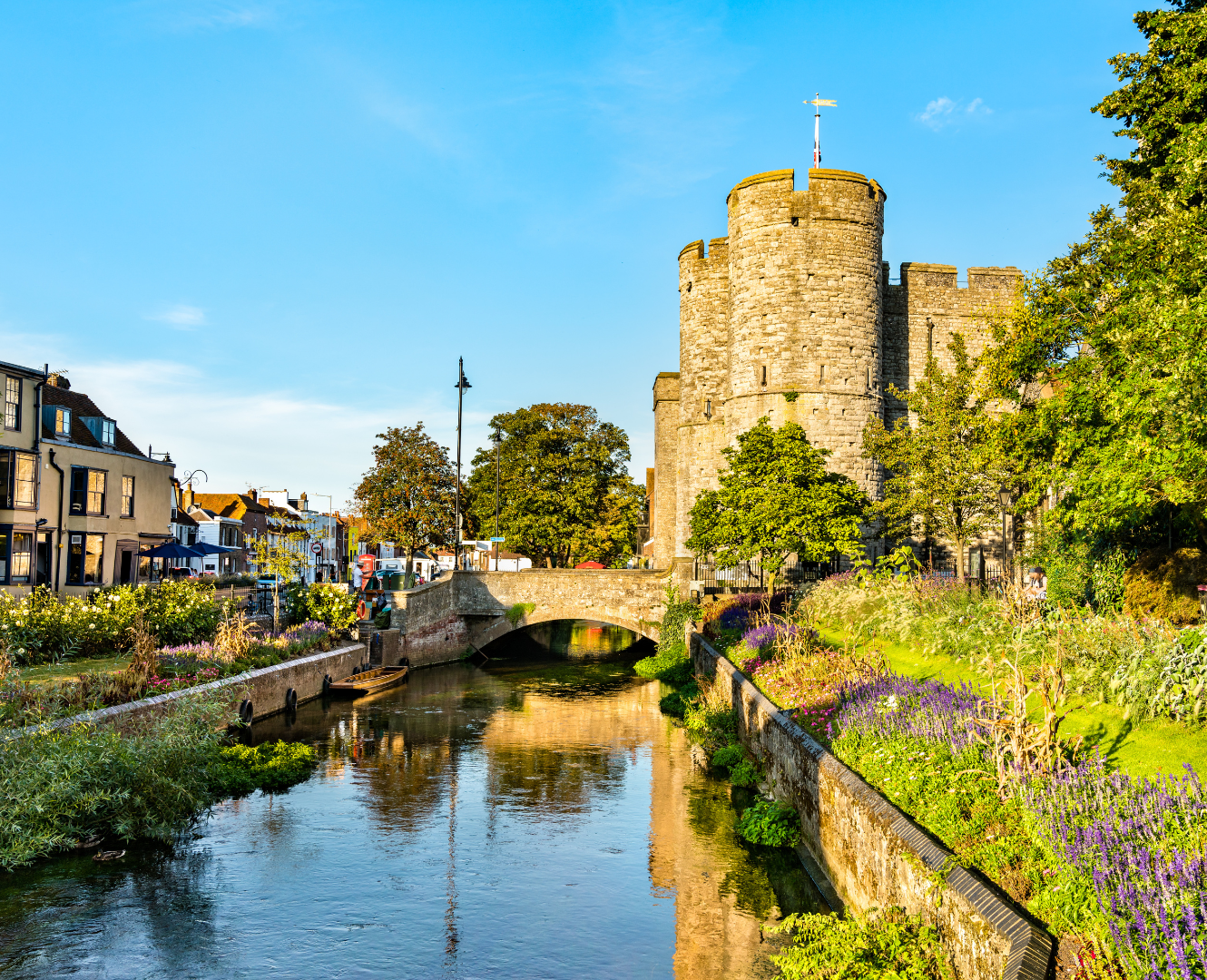
Just a short journey from Dover is the historic city of Canterbury, home to its magnificent cathedral and centuries of fascinating history.
Canterbury is also associated with The Canterbury Tales, written by Geoffrey Chaucer, and the murder of Archbishop Thomas Becket in 1170. For visitors interested in English history, combining Dover and Canterbury makes for a fascinating day.
The Kent Coast
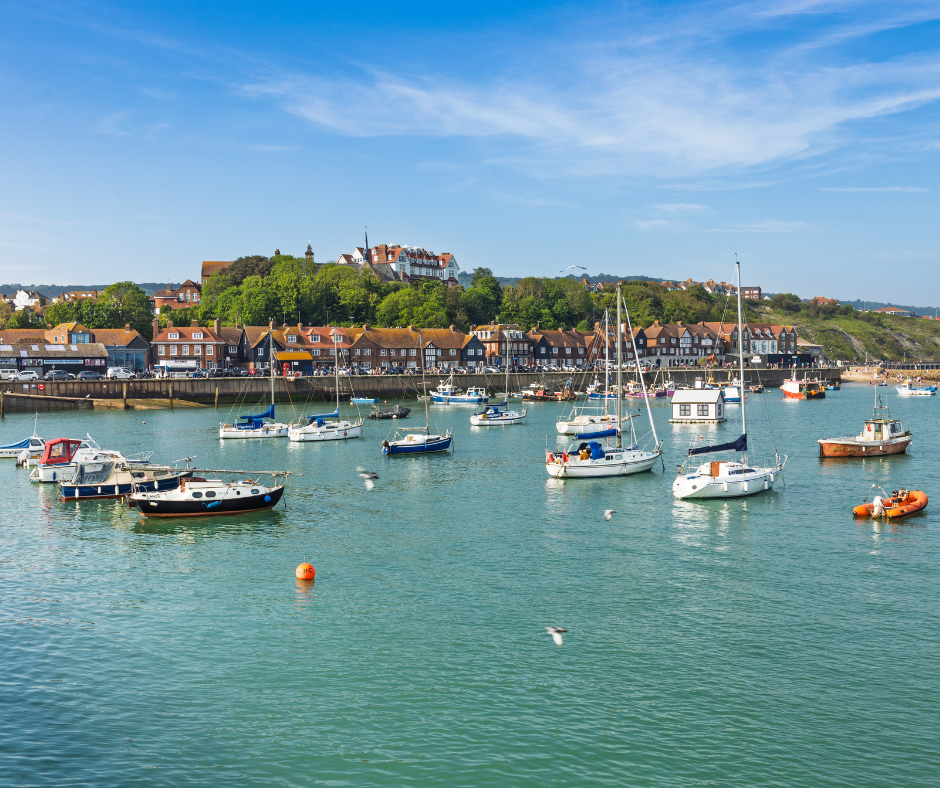
Dover is also a great starting point for exploring more of Kent's coastline. From historic Deal and Walmer to Folkestone and beyond, there are plenty of towns, beaches, castles and hidden stories to discover. This is one of the reasons we love showing visitors around Kent.
There is so much more to the county than the attractions you see in the guidebooks.
Discover Dover with a local guide
There's a lot to see at Dover Castle, but sometimes the most interesting parts aren't immediately obvious.
A local guide can help connect the buildings, landscape and stories together, and explain the history in a way that makes sense when you're seeing it right in front of you.
At Kent Guided Tours, we create private and bespoke tours around Kent for visitors who want to experience more than simply ticking attractions off a list.
From the White Cliffs of Dover and Dover Castle to Canterbury, historic towns and the beautiful Kent countryside, we can help you discover the stories that make this corner of England so special.
Planning a visit to Kent? Get in touch with Kent Guided Tours to discuss your own private tour.