Exploring Roman Kent and the Gateway to Roman Britain
If you really want to stand where Roman Britain began, and where it ultimately ended, you need to come to Kent.
When people think of Roman Britain, they often think of Bath or Chester.
However, if you really want to stand where Roman Britain began, and where it ultimately ended, you need to come to Kent.
As the closest point to continental Europe, Kent was the true gateway to Britannia. Roman soldiers, traders, engineers and administrators all passed through here. Today, Dover, Richborough and Canterbury still hold remarkable traces of that world - from towering fort walls to hidden mosaics beneath modern streets.
Whether you're arriving on a cruise ship, visiting from London for the day, or you’re a Kent local wanting to see your county through new eyes, here are three extraordinary Roman sites to explore.
1. Dover – Portus Dubris and the Roman Fleet
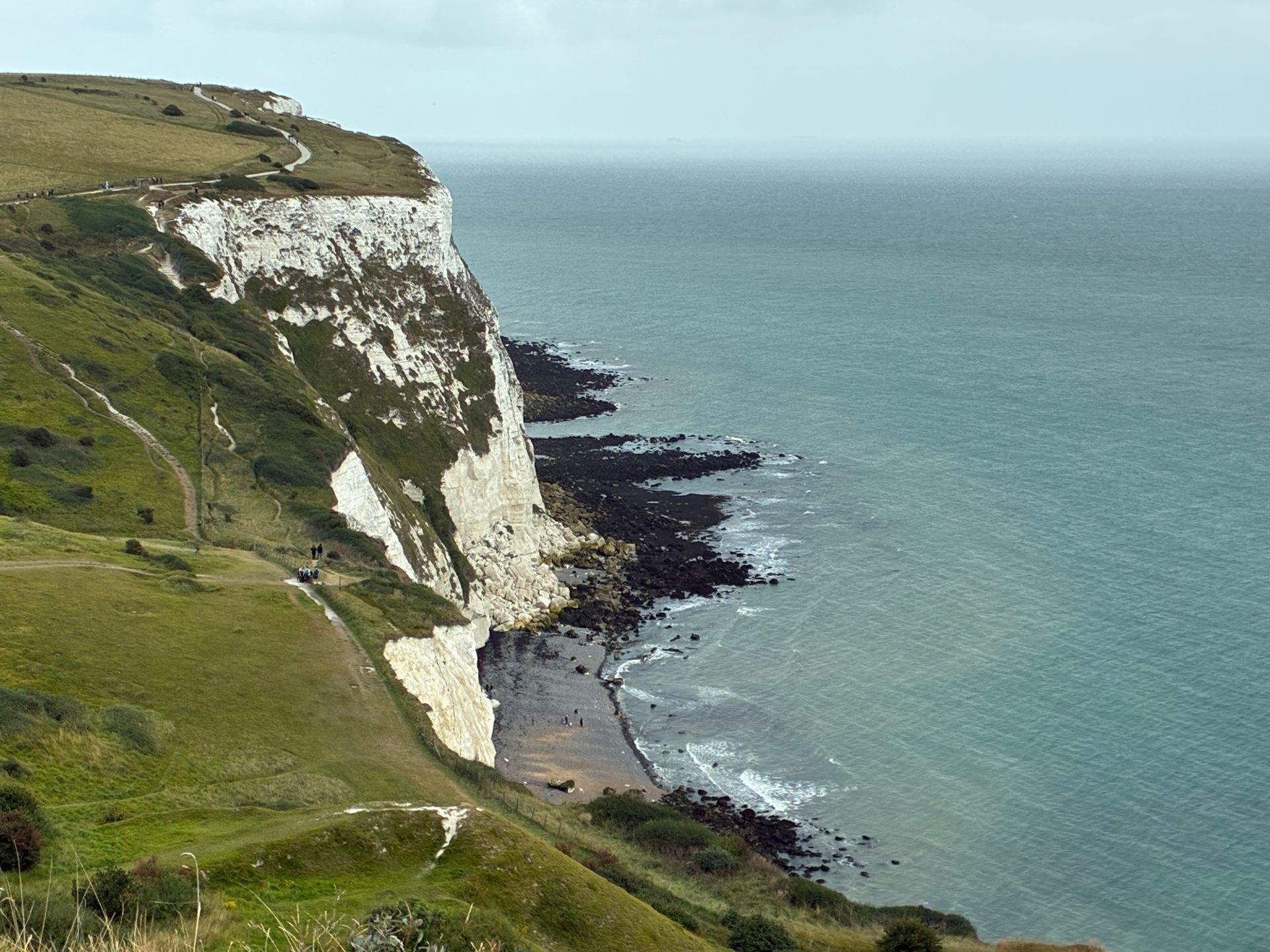
Today, Dover is famous for its White Cliffs. In Roman times, it was known as Dubris or Portus Dubrae meaning “the waters.”
The town sits in a natural gap in the cliffs at the mouth of the River Dour, the only break in this stretch of coastline. That sheltered gap made Dover strategically invaluable.
By around 130 CE, Dover was home to the headquarters of the Classis Britannica, the Roman fleet that patrolled the Channel.
What can you see today?
The Roman Pharos at Dover Castle
High on the Eastern Heights stands one of Dover’s greatest treasures: the Roman lighthouse within Dover Castle.
Built in the 1st century CE, this Pharos (lighthouse) originally stood eight storeys tall. Today, four remain, making it one of only three surviving Roman lighthouses in the world.
It was constructed using volcanic stone imported from the continent (Kentish ragstone hadn’t yet been discovered) and later adapted as a bell tower for the adjacent church. Stand beside it and you are literally touching first-century Roman engineering.
The Painted House – “England’s Pompeii”
In Dover town centre lies the extraordinary Roman Painted House.
Dating from the 1st century CE, it contains some of the best-preserved Roman wall paintings in Britain. A 3rd-century Saxon Shore fort was built directly over the top of it, sealing and protecting the murals for centuries.
It’s one of Kent’s most underappreciated Roman gems.
2. Richborough – Where the Roman Invasion Began
If Dover was Rome’s working harbour, then Richborough Roman Fort was the symbolic front door to Britannia.
Known to the Romans as Rutupiae, this is widely believed to be the landing site of Emperor Claudius’ successful invasion in 43 CE.
At the time, this wasn’t inland countryside as you see today. It stood beside the Wantsum Channel - a broad stretch of sheltered water that separated Thanet from the mainland. Thanet was once an island.
A monumental welcome to Britain
Around 85 CE, a colossal 26-metre triumphal arch was built here, clad in gleaming white Italian marble. It was the ceremonial gateway into Roman Britain and the start of Watling Street, the great Roman road leading to London via Canterbury.
Imagine arriving by ship and seeing that arch rise above the shoreline, a statement of imperial power!
Although dismantled by the late 3rd century, the foundations remain, marked by a large cross shape in the centre of the site.
The Saxon Shore Fort
By 275 CE, Richborough had evolved into a massive Saxon Shore Fort, part of a defensive network protecting Britain from seaborne raids.
Today, you can walk beside towering 3rd-century walls that still dominate the landscape. There’s also a reconstructed wooden gate tower offering elevated views across the site, a powerful reminder of its importance.
Richborough is also thought to be where the Romans finally departed Britain around 410–412 CE.
In that sense, Roman Britain both began and ended here.
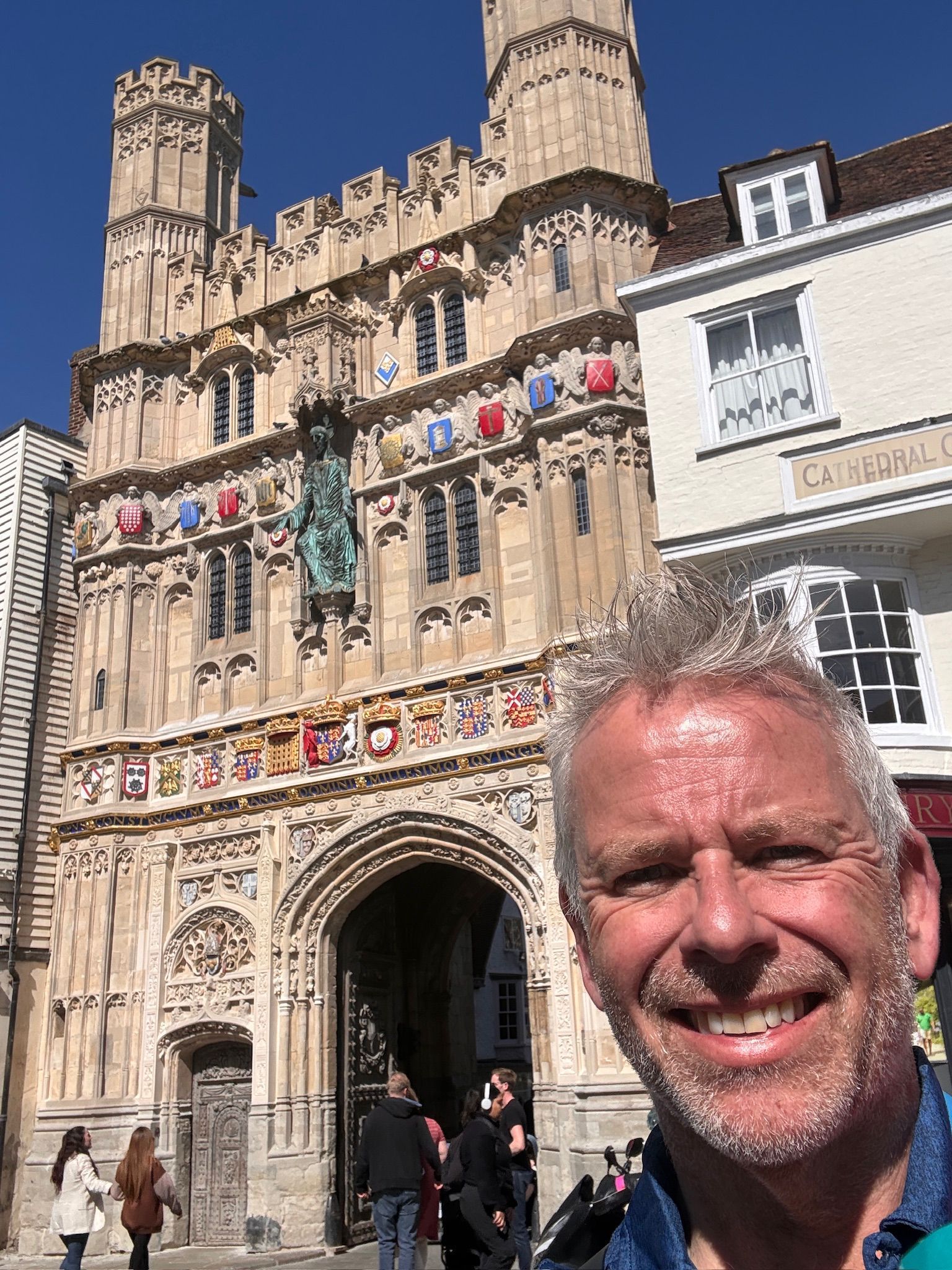
3. Canterbury – Durovernum Cantiacorum
Drive inland and you reach Canterbury. Known to the Romans as Durovernum Cantiacorum, meaning “Fortress of the Cantiaci (the Men of Kent).”
This was a thriving Roman administrative town, connected directly to Richborough by Watling Street.
Much of Roman Canterbury lies several feet beneath today’s streets but look closely and you’ll see its legacy everywhere.
Roman City Walls
Built around 270 CE, large sections of Canterbury’s Roman walls still survive and shape the city today. Five gates once linked to major Roman roads. The walls endured long after the Romans left, later defended by Anglo-Saxons against Viking raids.
The Canterbury Roman Museum
The highlight for many visitors is the Canterbury Roman Museum.
Beneath the modern city lies an intact Roman townhouse courtyard complete with mosaic floor, discovered after bombing in 1942 during the Second World War.
The museum also houses the Canterbury Treasure, a hoard of 5th-century Roman silver likely hidden during the final turbulent years of Roman rule. Standing underground beside that mosaic, you gain a real sense of Roman daily life. Not just soldiers and forts, but homes, colour and craftsmanship.
Why Explore Roman Kent?
Kent isn’t just home to Roman ruins, it’s home to the Roman story of Britain.
- The attempted landing of Julius Caesar in 55 BCE
- The successful invasion under Claudius in 43 CE
- The headquarters of the Roman fleet
- The monumental gateway to Britannia
- The administrative heart of Roman Kent
And ultimately, the likely departure point when Roman rule ended.
All within easy reach of London and perfectly suited to a day tour from Dover Cruise Terminal.
Explore Roman Kent with a Local Guide
Roman sites can sometimes feel like “just stones” until you understand the landscape, the waterways that no longer exist, and the stories of the people who lived here.
That’s where a knowledgeable local guide makes all the difference.
At Kent and Sussex Guided Tours, we bring these sites to life, explaining why the Wantsum Channel mattered, how Dover’s natural gap shaped history, and what that huge marble arch at Richborough would have meant to a Roman soldier arriving for the first time.
Whether you’re a cruise passenger with one day ashore, a visitor from London, or a Kent local rediscovering your county, Roman Kent offers a fascinating journey into the beginnings of Britain.
If you’re interested in the sound of a Roman Kent tour, contact us today and let’s start planning your journey into the past.