Folkestone: A Coastal Town with Stories in Every Step
Folkestone is the kind of place that surprises people.
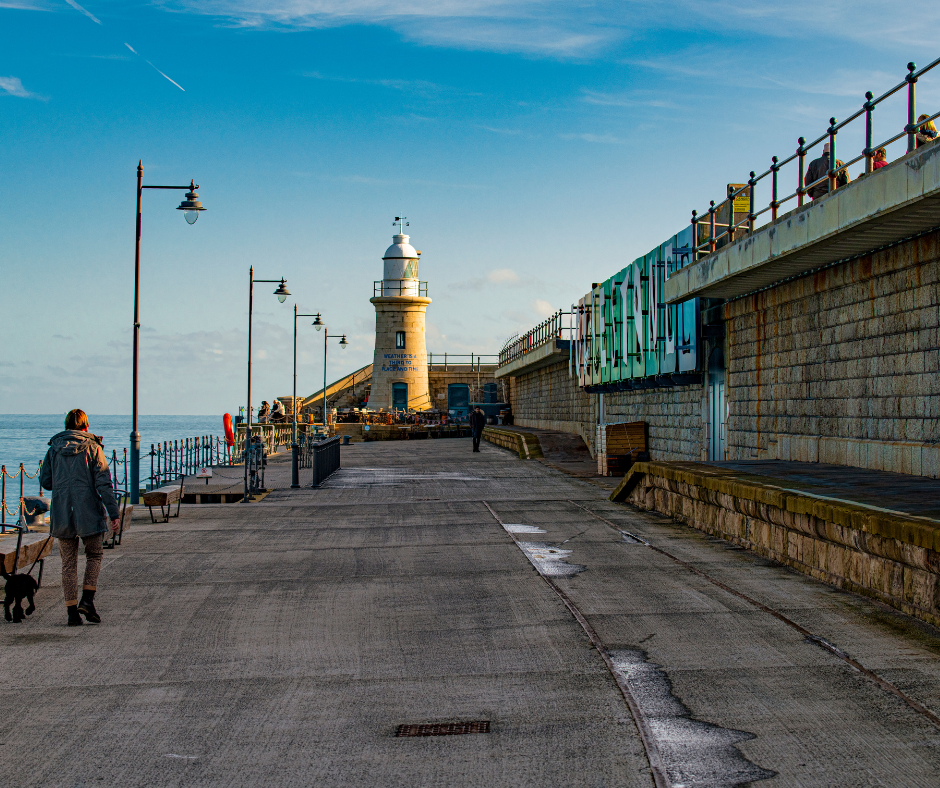
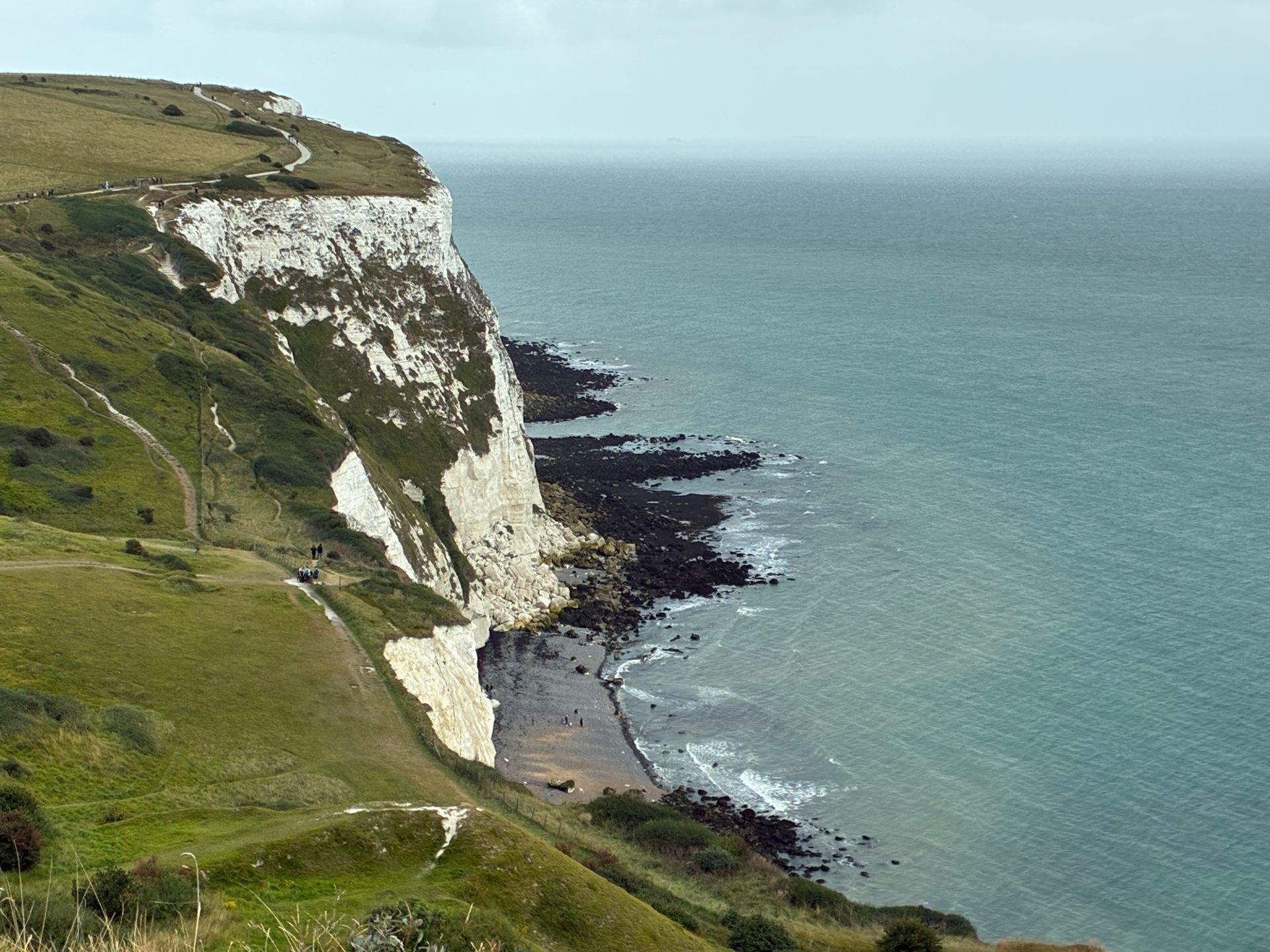
At first glance, it’s a charming seaside town on the Kent coast with sea air, clifftop walks, and fish and chips by the harbour. Yet if you look a little closer (or better yet, explore it with a local guide), Folkestone reveals itself as a town shaped by Victorian ambition, wartime resilience, and creative reinvention.
Whether you’re visiting from London for the day, arriving on a cruise, or you’re a local keen to see Folkestone through fresh eyes, this is a town with layers, and plenty of stories to tell.
A Victorian Playground by the Sea
In the mid-1800s, Folkestone was the place to be seen.
The Leas, the elegant clifftop promenade, was laid out by Decimus Burton - the same architect behind Regent’s Park in London. Owned by Lord Radnor, it was designed for “promenading”: a fashionable pastime where people would stroll, socialise, and enjoy sweeping sea views all the way to France on a clear day.
Two grand hotels soon followed: The Grand and The Metropole, built in the late Victorian period and competing to outdo one another in luxury. The Grand, built second, boasted cutting-edge features for its time, including cavity wall insulation and one of the first sprung ballroom floors.
Folkestone quickly became the most fashionable of seaside towns, regularly visited by the Prince of Wales (later King Edward VII). It was glamour with a sea breeze and business was booming.
When Folkestone Became the Front Line
That golden era came to an abrupt halt in 1914.
During the First World War, Folkestone played a crucial role as Britain’s main departure point for the Western Front. An estimated 10 million people passed through the town during WWI with many never to return.
The Grand Hotel became accommodation for officers and a field hospital for the wounded. The Metropole was used to train women for the war effort. Poet Wilfred Owen stayed there, famously describing it as “a place with carpets as deep as the mud of the front line.”
As you walk along The Leas today, it’s impossible not to feel the weight of that history… especially when you reach the Folk Stones.
Created by artist Mark Wallinger in 2011, this powerful artwork consists of over 19,000 stones, each representing a British soldier killed on the first day of the Battle of the Somme. Collected from local beaches, they symbolise the last sight of home for so many men who left from Folkestone.
Heroes, Innovators and Quiet Legends
Folkestone’s story isn’t just about war, it’s also about people who quietly changed the world.
Take William Harvey, born here in the 16th century. He was the physician to Queen Elizabeth I and he discovered the circulation of blood, which was a breakthrough in medical science that still underpins modern medicine today. His statue stands proudly on The Leas, and both the local hospital and school carry his name.
Nearby, you’ll find the memorial to Walter Tull, one of the first mixed-heritage officers in the British Army and a professional footballer for Tottenham Hotspur. Born in Folkestone, Tull broke barriers at a time when the army explicitly excluded non-white soldiers from leadership roles. His story is one of courage, talent, and quiet defiance.
These aren’t just plaques on a wall, they’re reminders that Folkestone has always punched above its weight.
From Ruins to Reinvention
The Second World War hit Folkestone hard. Due to its proximity to France, almost the entire population was evacuated. Bombing raids damaged key buildings, including Christ Church, of which only the tower remains today, standing in a peaceful Garden of Remembrance.
For decades after the war, Folkestone struggled to regain its footing as a seaside resort.
…then came reinvention.
The once run-down Old High Street is now at the heart of the town’s Creative Quarter - a thriving hub of independent shops, studios, cafés and galleries. Backed by long-term regeneration projects and events like the Folkestone Triennial (one of the UK’s most ambitious outdoor art festivals), the town has embraced creativity as a way forward.
Add to that the Harbour Arm which was once a derelict ferry terminal, now a lively space filled with food stalls, events and sea views, and Folkestone feels very much alive again.
Why Folkestone Is Best Discovered on Foot
Folkestone is a walking town.
Its stories live in the spaces between landmarks: under the Step Short Arch, where soldiers were ordered to shorten their stride as they marched to war; along Albion Villas, where Charles Dickens once stayed; or through the Bayle, the site of a long-lost Norman castle overlooking the harbour.
This is why guided walking tours work so beautifully here. You don’t just see Folkestone, you understand it.
Explore Folkestone with Kent & Sussex Guided Tours
At Kent & Sussex Guided Tours, our Folkestone walks are led by knowledgeable local guides who bring the town’s history to life with insight, warmth and a few surprises along the way.
Whether you’re a visitor looking for a meaningful coastal experience, a cruise passenger with limited time ashore, or a local keen to rediscover your town, Folkestone has more to say than you might expect, and we’d love to show you.